
Pre-purchase checklist
Best Ways to Authenticate a Luxury Bag Before Buying
Reduce risk before buying a pre-owned luxury bag. Check the seller, listing, photos, model details, payment protection, independent authentication, and return terms.
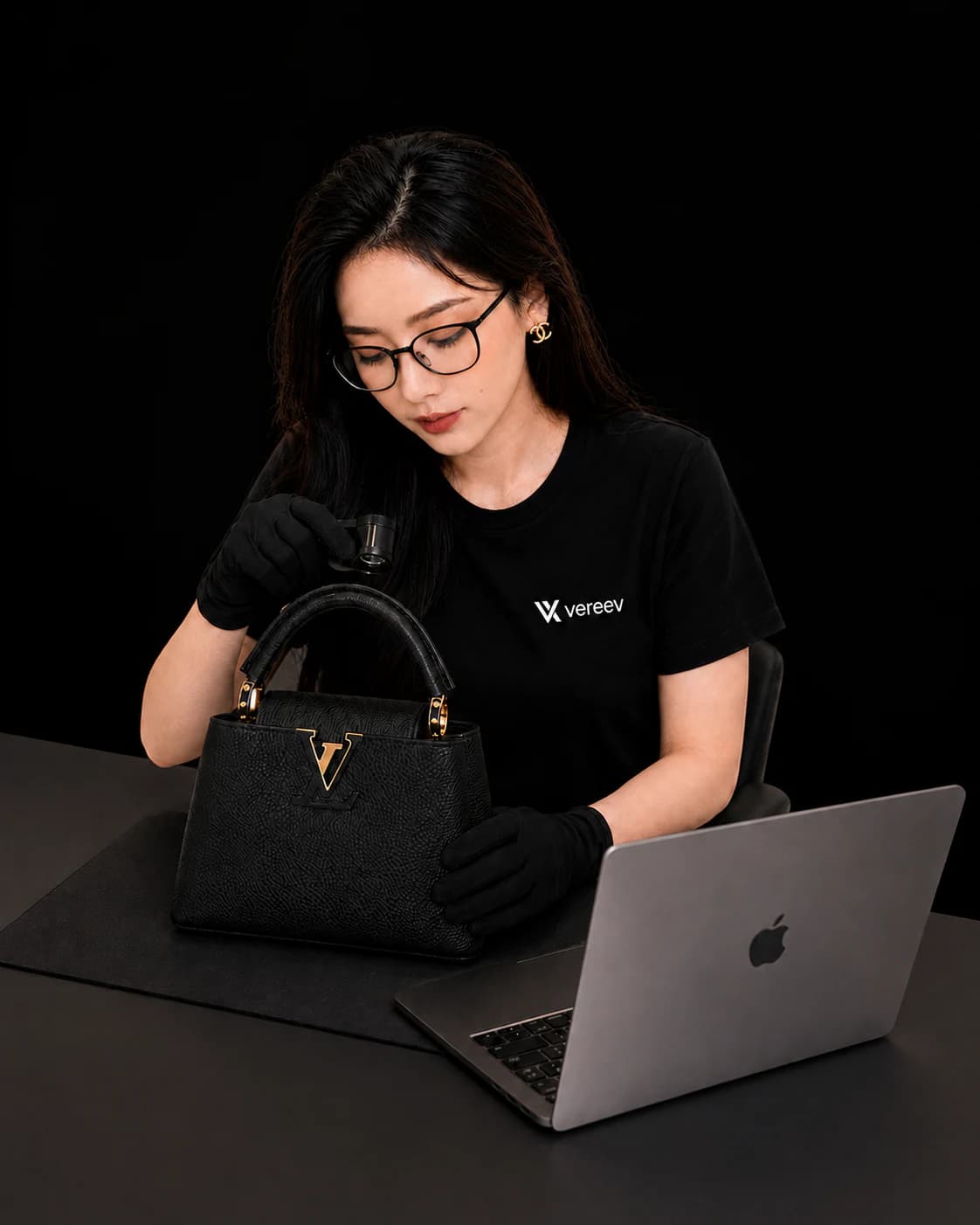
Quick answer
Before buying a luxury bag, verify the seller and return terms, identify the exact model, request original detail photos, compare the item with same-era references, use protected payment, and obtain item-level authentication while you can still cancel or return the purchase.
The safest authentication happens before money becomes difficult to recover. Build a process that combines product evidence with seller, payment, and return protection.
1. Evaluate the seller and the listing
Review account history, specialist experience, independent feedback, return policy, business identity, and how the seller handles questions. Search listing photos to see whether they appear elsewhere, and save the complete description before purchase.
A long account history is useful but not proof. Compromised accounts, consignment mistakes, and mixed inventory can still create risk. Judge the exact listing.
2. Identify the exact item before comparing details
Ask for the model, size, material, color, hardware finish, approximate year, style reference, and purchase history. Compare dimensions and configuration with a credible same-model reference.
Do not authenticate from a logo close-up alone. A counterfeit can combine a convincing tag with the wrong body shape, interior, or hardware.
3. Request original, complete photos
Ask for the full bag from every side plus tags, codes, logos, hardware, stitching, lining, corners, and condition issues. A short custom photo request, such as the bag beside a handwritten date, can help confirm that the seller possesses the item shown.
Refusal to provide ordinary detail photos is a risk signal. It may have an innocent explanation, but you should not accept uncertainty on an expensive purchase without corresponding protection.
4. Treat price and provenance as context
A price far below comparable items increases risk, but a high price does not prove authenticity. Receipts, boxes, cards, and dust bags can support a history but can also be copied or paired with a different item.
Look for consistency among purchase date, store, model release, item condition, and seller story. Preserve copies without publishing private information.
5. Authenticate while buyer protection is active
If possible, obtain item-level authentication before payment or during an inspection/return window. Use the exact listing photos only if they are sufficiently complete; otherwise require new images or inspect the physical item.
Pay through a method with clear dispute protection, read marketplace exclusions, avoid irreversible transfers to unknown sellers, and confirm who pays return shipping if the item is not as described.
6. Inspect again when the bag arrives
Record the unboxing, confirm that the item matches the listing and authentication images, and inspect undisclosed condition or component changes. Keep packaging and communication until the transaction is final.
If evidence conflicts, stop using or altering the item, contact the seller and payment provider promptly, and follow the platform's required timeline.
Sources and evidence
How this guide was researched
Vereev separates official brand information, established secondary references, first-party product information, and general buyer-safety guidance. Sources support context, not an authenticity verdict for an unseen item.
- Vereev designer bag authentication photo guide
Vereev original guidance
- Google: reverse image search guidance
Technical reference
Read the full Vereev research methodology or request a correction.
Item-level review
Authenticate with Vereev
Use the guide to collect clear evidence, then submit the exact item through Vereev when you need an authentication result and digital certificate.
Vereev is an independent authentication service and is not affiliated with, endorsed by, or sponsored by the brands discussed in this guide. Educational guidance cannot replace an item-level review.