
Streetwear evidence guide
Streetwear Authentication
Authenticate streetwear by checking the exact release, garment blank, artwork, labels, construction, hardware, wash, provenance, and condition.
Independent educational guidance. An item-level result requires review of the exact product evidence.
Direct answer
Streetwear authentication identifies the exact release, season, color, size, and region, then compares the garment blank, artwork technique, construction, labels, hardware, wash or distressing, provenance, and modifications.
Streetwear counterfeits often reproduce visible logos while missing the release-specific blank, print process, label relationships, or finishing.
Identify the release, not only the brand
Confirm product name, season, color, size range, collaboration, retailer, and expected packaging. Similar artwork may appear on different blanks or regional editions.
Use same-release references and distinguish intentional variation from later wear.
Read the blank and artwork together
Compare fabric weight, knit, cut, ribbing, hood, seams, embroidery, screen print, transfers, wash, distressing, and how artwork aligns with panels.
A copied neck label cannot rescue an incorrect garment or print method.
Use labels and drop history as context
Review neck, care, size, production, and retailer labels for format and chronology. Packaging and receipts are supporting evidence.
Document alterations, laundering, fading, repairs, and ownership history, especially for rare early releases.
Photo guide
Photos to take of clothing
The Vereev app's photo guide for clothing lists these 6 angles, with a sample photo for each. The numbers on the photos match the list.
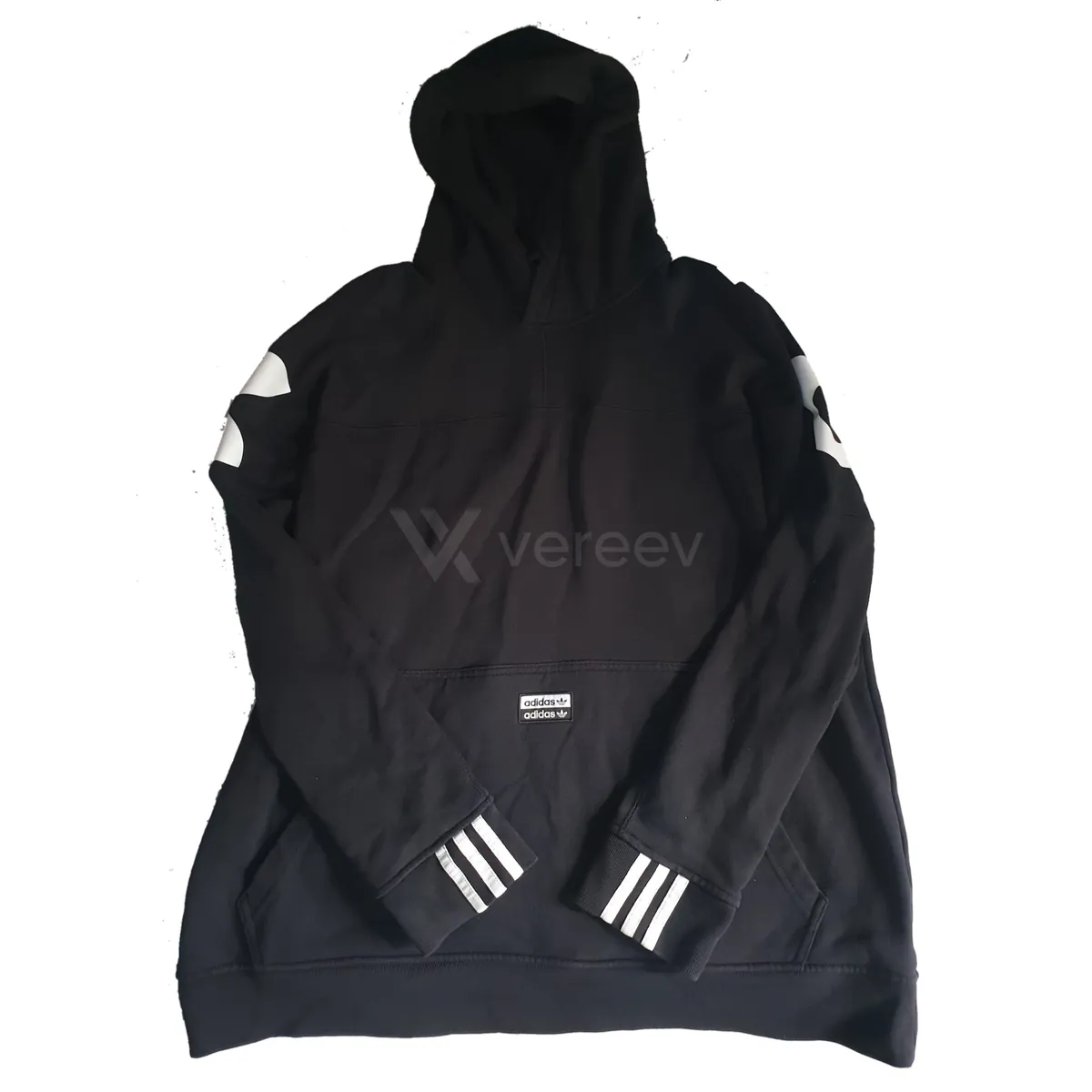
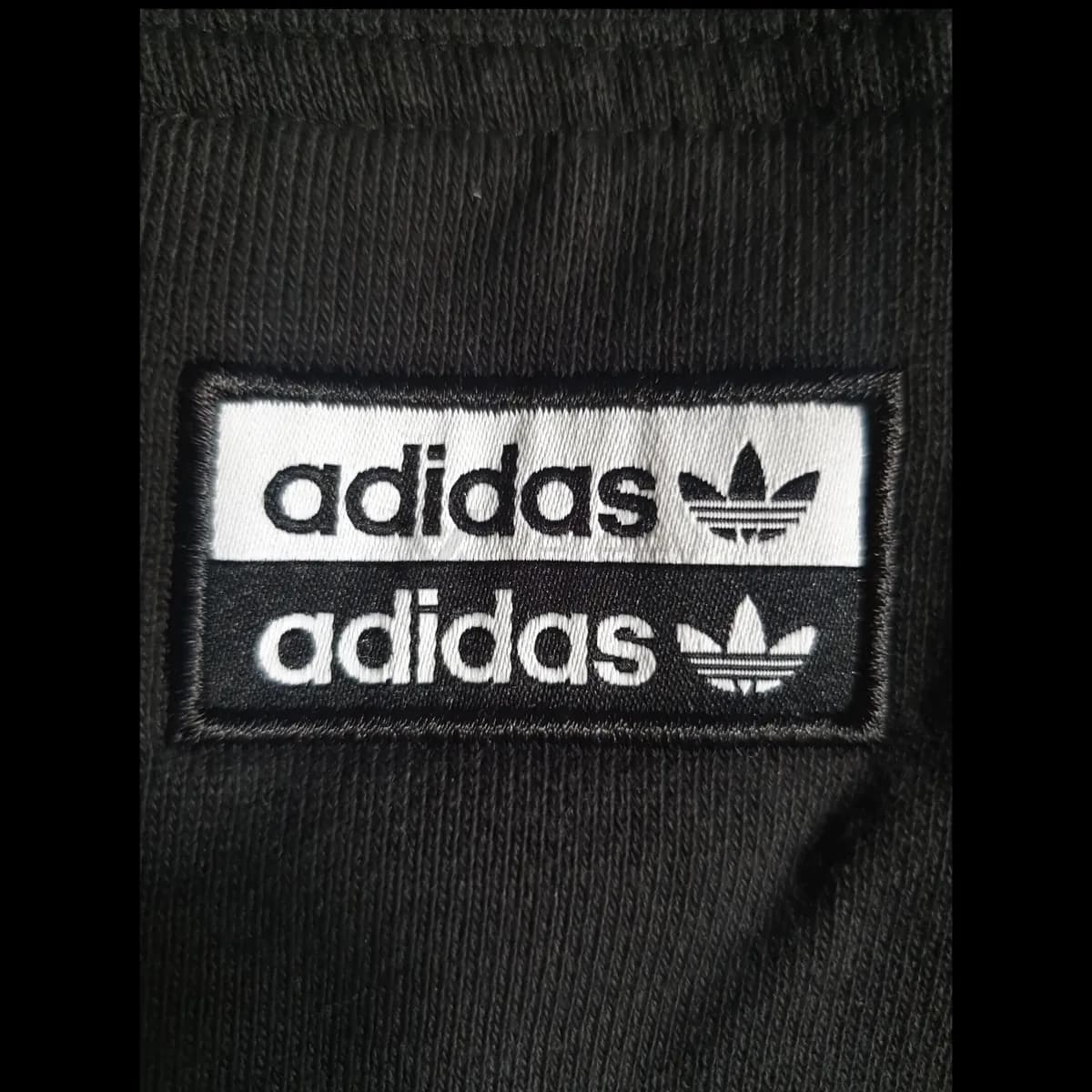
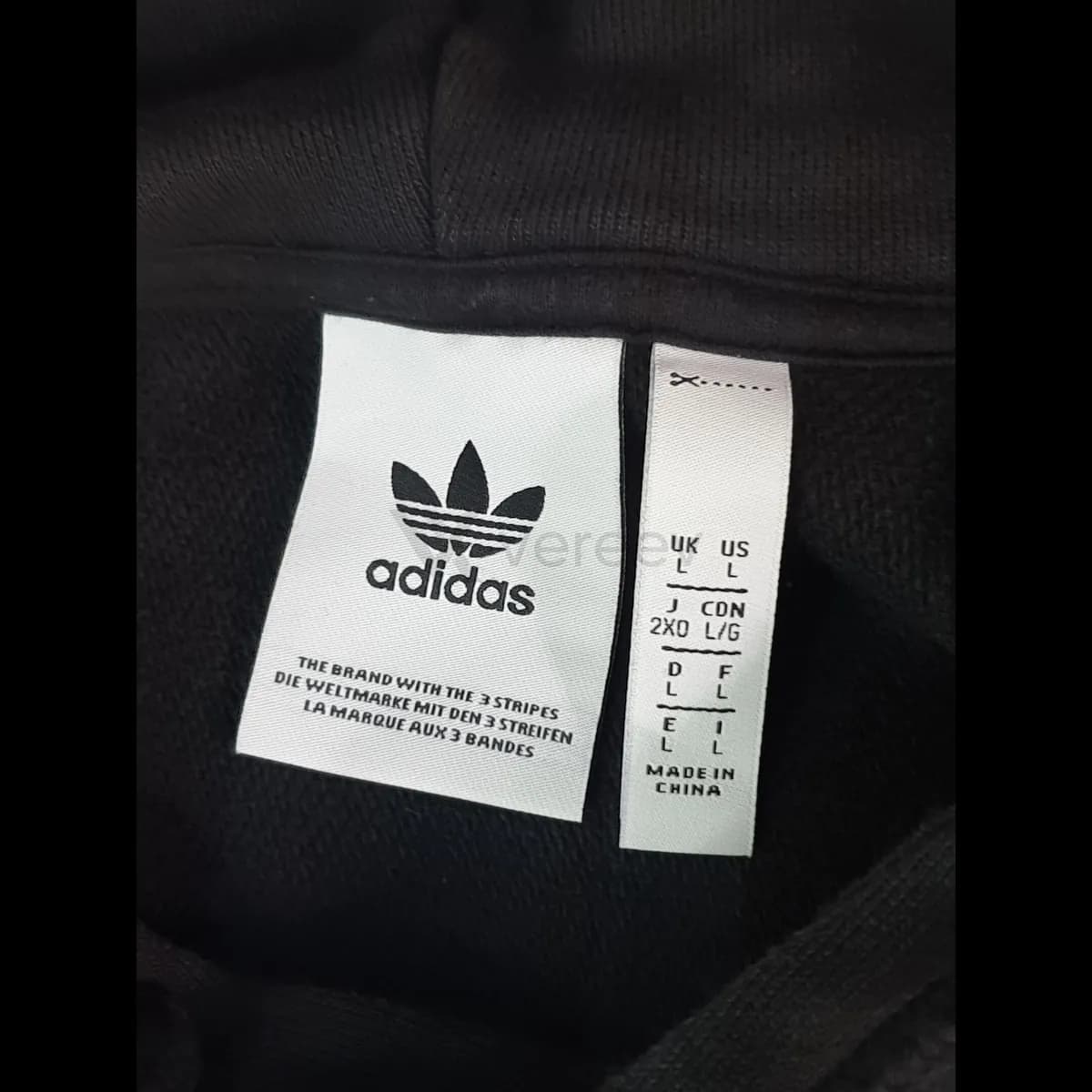
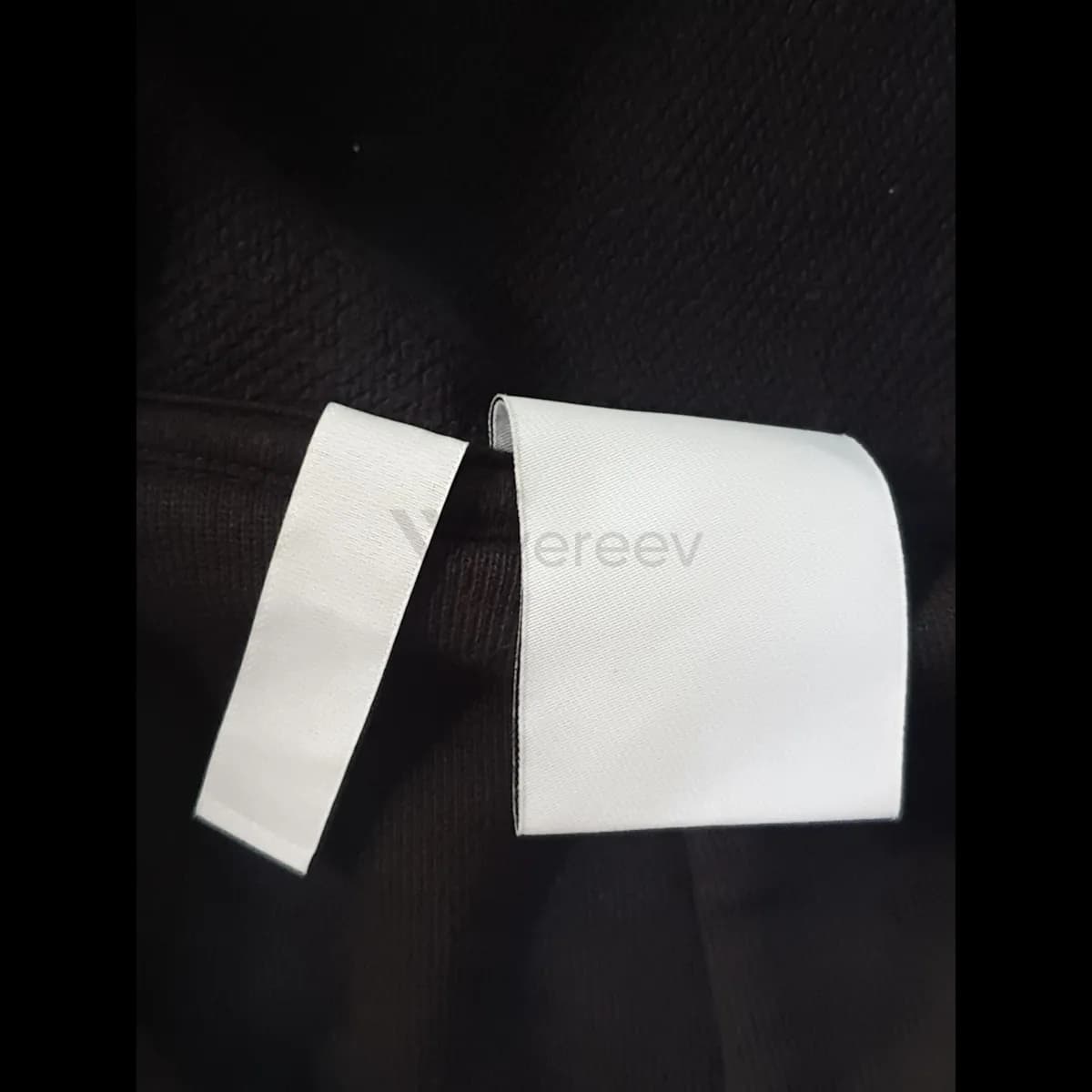
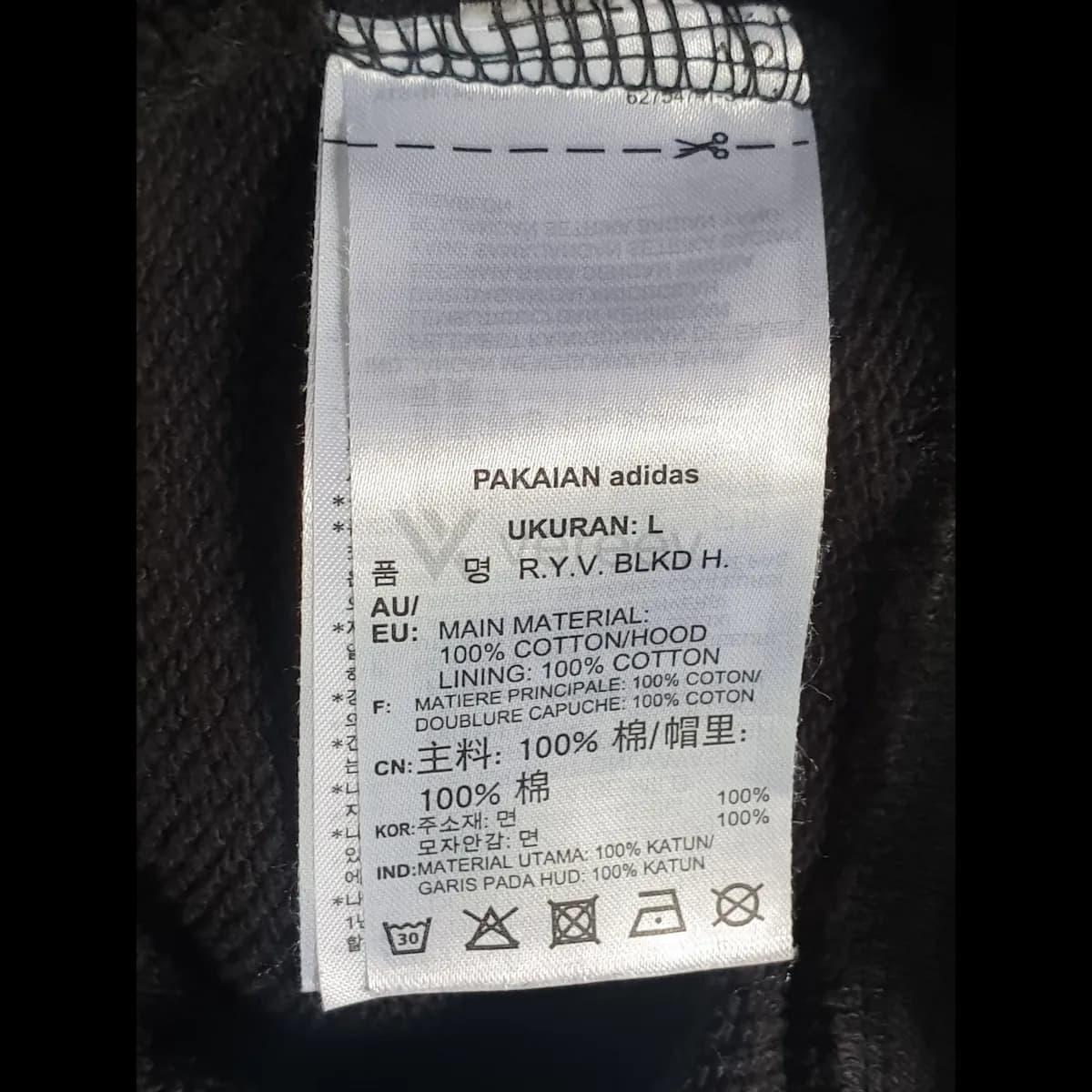
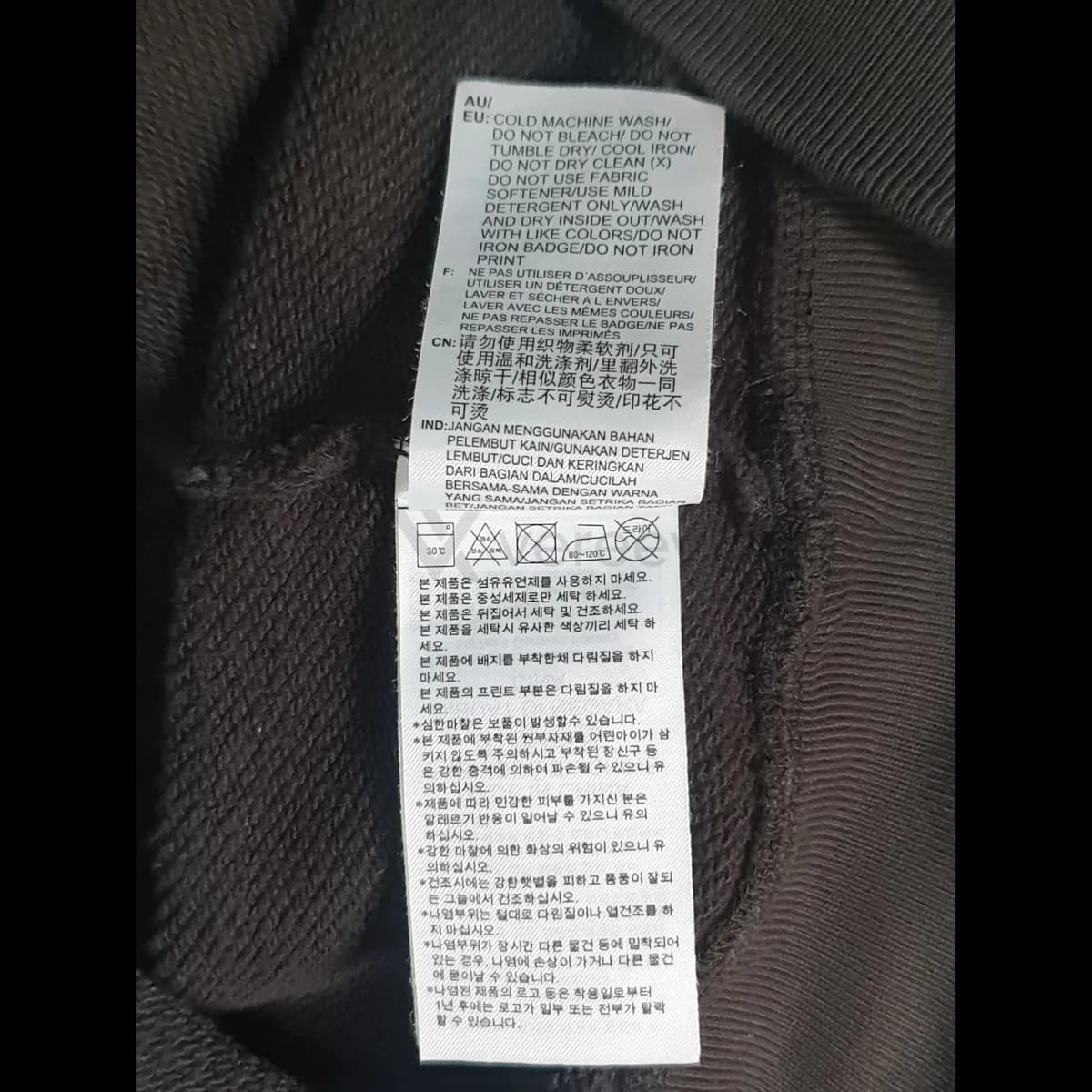
Full Appearance
Capture the full item clearly so a reviewer can see shape, proportions, color, and overall construction.
Material & Detail
Take a close-up of fabric texture, stitching, print quality, embroidery, zipper, buttons, or other key details.
Brand Tag
Show the main brand tag in sharp focus so typography, spacing, and stitching can be checked.
Care Label
Photograph care labels and inner tags, because material text, wash symbols, and label quality are important references.
Size / Code Tag
Include size tags, product codes, serial labels, or season information when available.
Packaging or Extra Label
Add packaging, barcodes, receipts, spare tags, or any extra proof that supports the item history.
Follow the same angles in the app
The Vereev app shows a sample photo for each angle when you submit clothing. Sharp, same-item photos give the reviewer the evidence this page describes; packaging and documents help when you have them.
Open the full photo guide for clothingCommon questions
Streetwear Authentication FAQ
Can Supreme be authenticated online?
Often, when the exact release, blank, artwork, labels, and construction are clearly shown.
Does a StockX tag prove streetwear is real?
No third-party tag should replace review of the exact garment.
Can vintage streetwear be reviewed?
Yes, though limited references and wear can require more provenance and evidence.
Continue with evidence
Relevant Vereev resources
Item-level review
Authenticate with Vereev
Use this guide to prepare the evidence, then submit the exact supported item for a documented result.