
Collectible evidence guide
Collectible Authentication
Learn how collectible authentication checks edition identity, printing, materials, manufacturing, identifiers, condition, provenance, and tamper evidence.
Independent educational guidance. An item-level result requires review of the exact product evidence.
Direct answer
Collectible authentication establishes the exact object, edition, production method, material, dimensions, identifiers, condition, provenance, and packaging relationships, then applies category-specific checks or specialist testing.
Cards, art toys, memorabilia, prints, figures, and limited objects expose different evidence. Authentication and grading are related but separate questions.
Define the edition and production method
Record set, year, edition, language, size, material, artist or maker, and expected manufacturing process. Reissues can look similar while using different details.
Check whether numbering, stamps, holograms, certificates, or packaging are expected for that exact release.
Apply category-specific physical checks
Printing, paper, inks, molding, paint, stitching, signatures, seals, and assembly require different expertise. Dimensions and weight can help when reliable references exist.
For trading cards, The Pokémon Company says counterfeit cards are often easy to see through when held up to a bright light, and notes that images of its products are available on its website.
Some questions need magnification, ultraviolet light, material analysis, database records, or direct specialist inspection.
Separate provenance, authenticity, and condition
Ownership history can support identity but does not override contradictory physical evidence. Certificates can be copied or separated. PSA, a card grading company, warns that counterfeit grading inserts sometimes reuse real certification numbers, so a slab helps only when the card, label and holder match the grader's record.
Grading evaluates condition under a scale; authentication evaluates identity or genuineness. A genuine collectible may still have low grade or restoration.
Photo guide
Photos to take of trading cards
The Vereev app's photo guide for trading cards lists these 4 angles, with a sample photo for each. The numbers on the photos match the list.
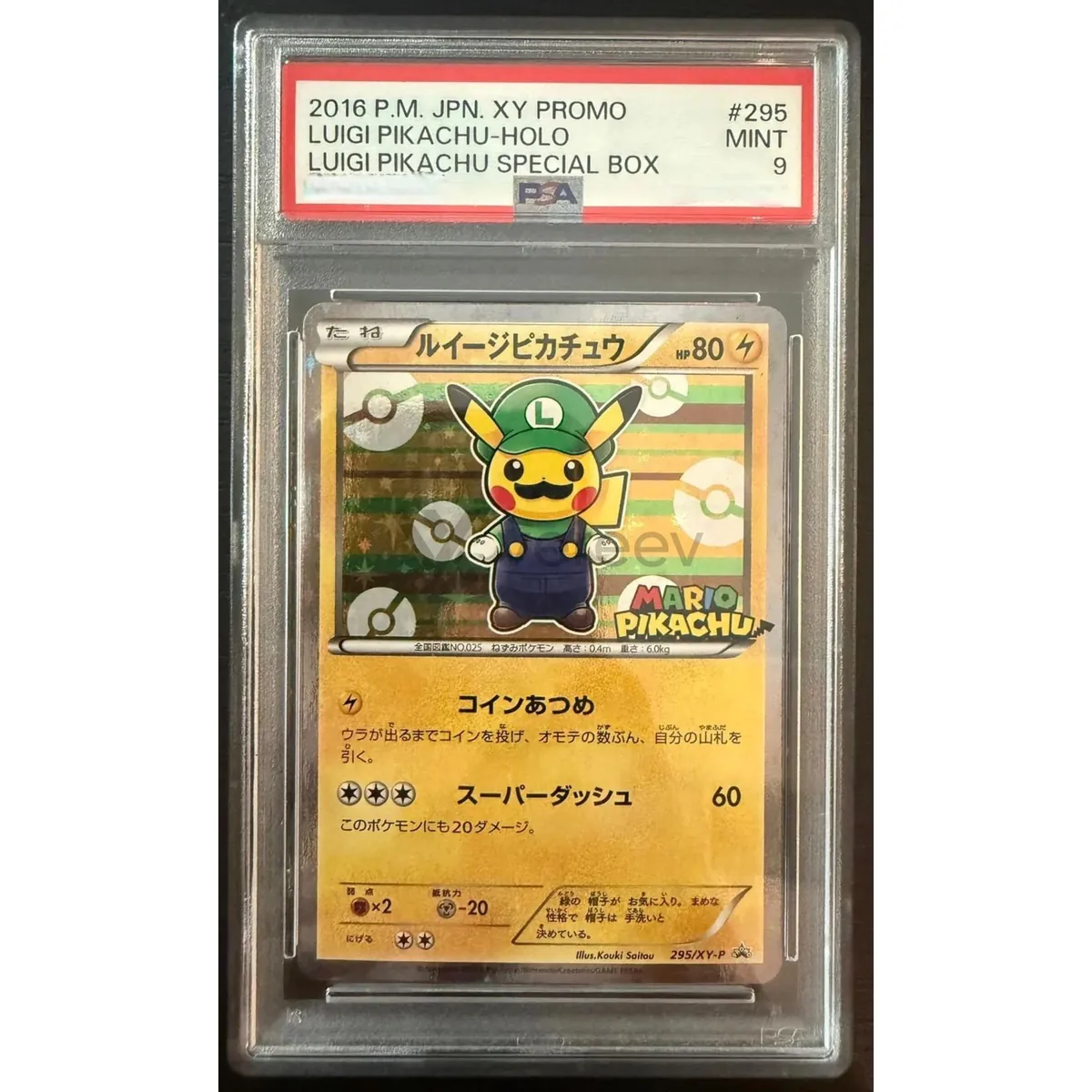
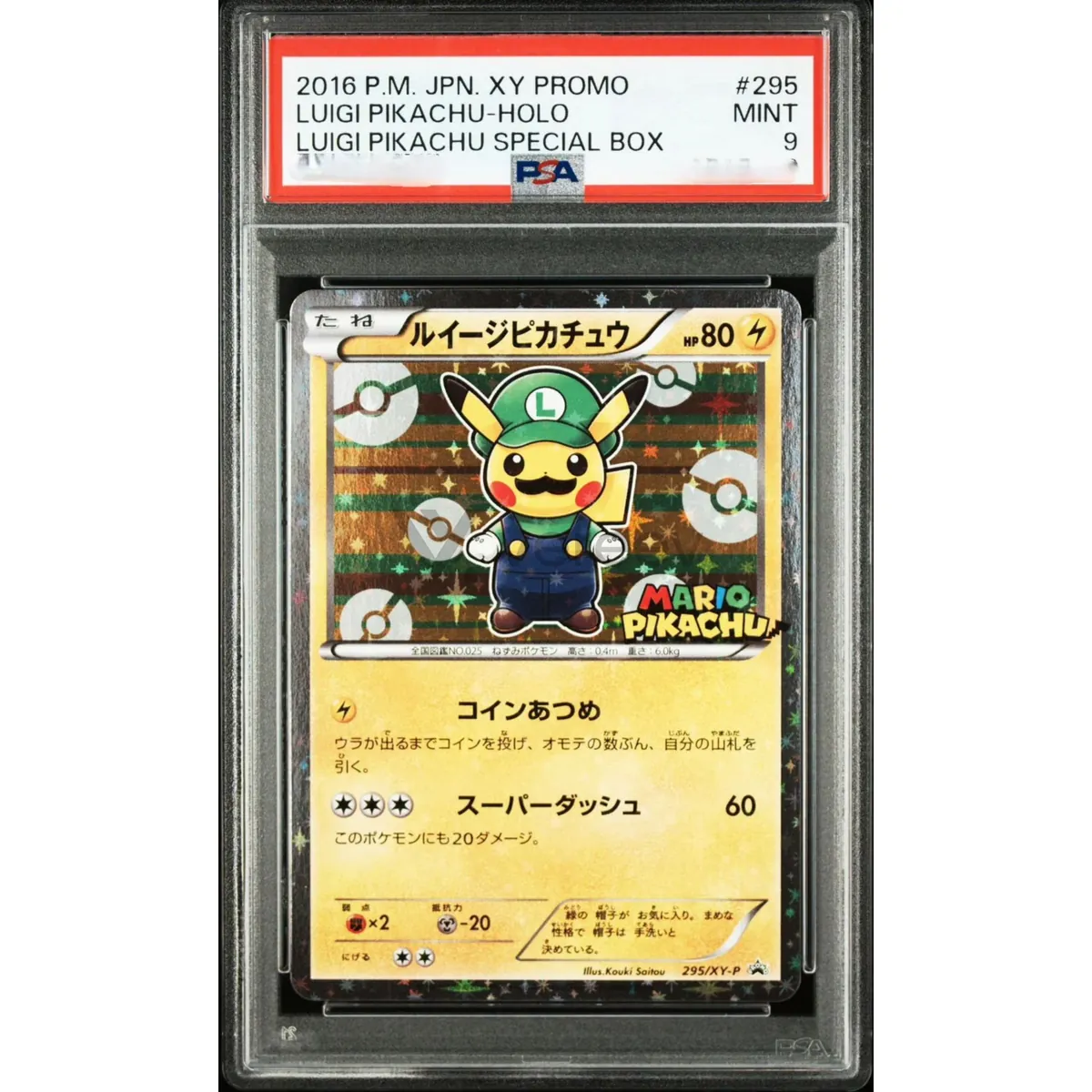
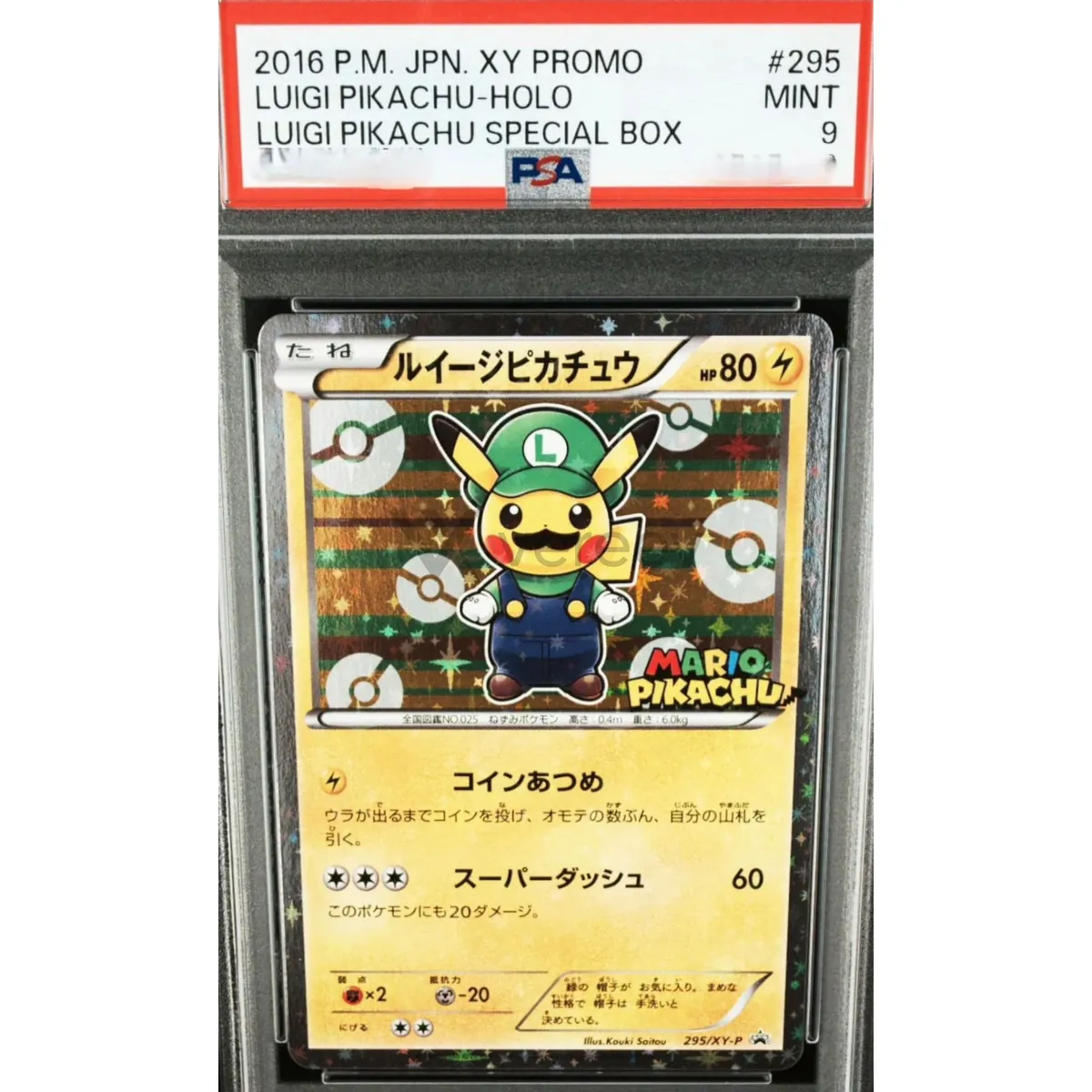
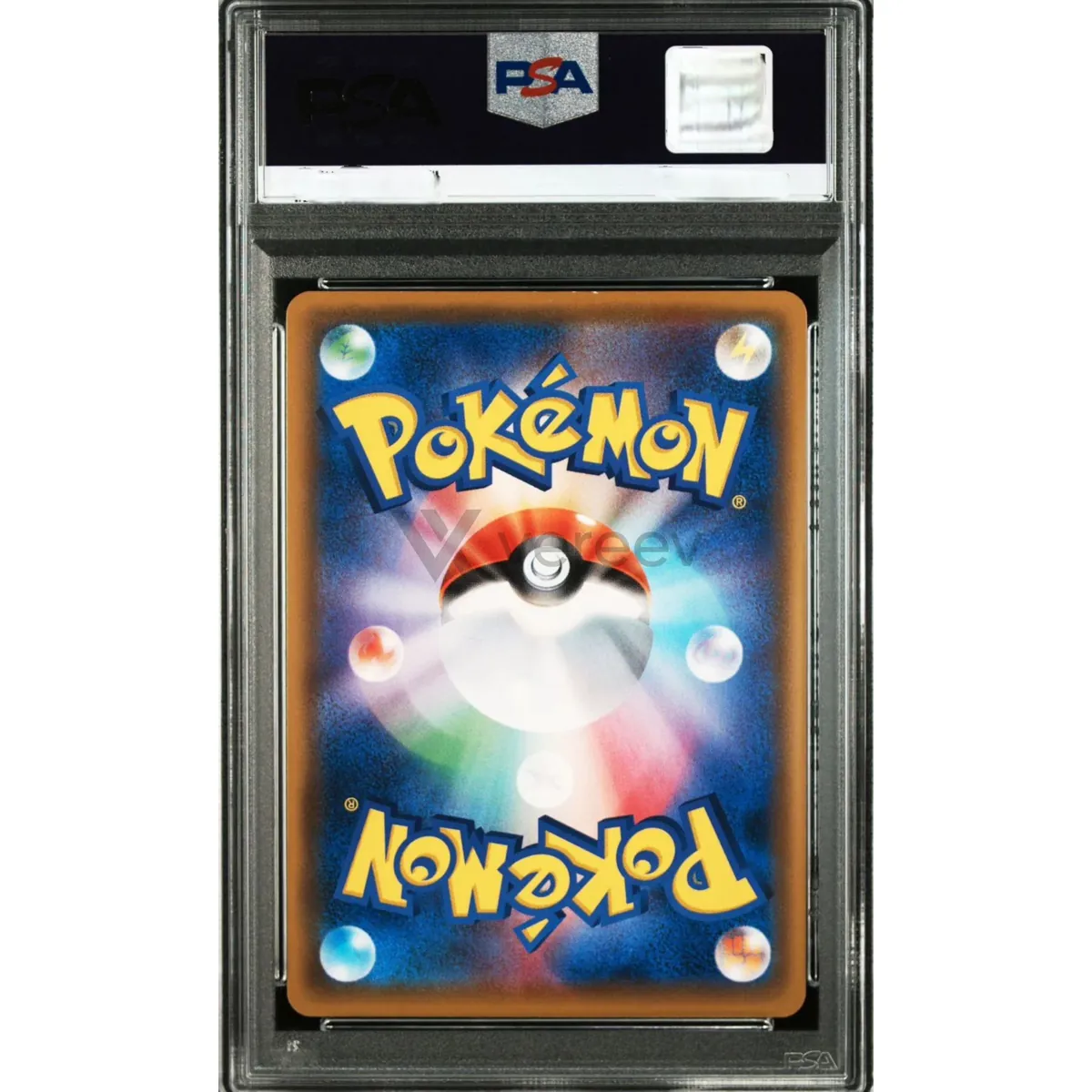
Front View
Capture the card front straight on so centering, print quality, corners, edges, and surface condition are visible.
Front Under Light
Use controlled light to show foil, gloss, texture, scratches, whitening, print dots, and surface defects clearly.
Angled Front
Tilt the card slightly so reflections reveal holo patterns, coating, surface waves, bends, or hidden damage.
Back View
Show the full back of the card, including borders, copyright text, logos, card number, corners, and edge condition.
Follow the same angles in the app
The Vereev app shows a sample photo for each angle when you submit trading cards. Sharp, same-item photos give the reviewer the evidence this page describes; packaging and documents help when you have them.
Open the full photo guide for trading cardsCommon questions
Collectible Authentication FAQ
Is collectible authentication the same as grading?
No. Authentication addresses identity; grading addresses condition.
Can packaging prove a collectible is real?
No. Packaging supports context but can be reproduced or paired with another item.
Can photos authenticate every collectible?
No. Some materials, signatures, internal parts, and high-value objects require physical testing.
Continue with evidence
Relevant Vereev resources
Item-level review
Authenticate with Vereev
Use this guide to prepare the evidence, then submit the exact supported item for a documented result.