
Researched Pokémon guide
Pokémon Authentication
How to tell if Pokémon cards are fake: what The Pokémon Company says, the light test, booster pack contents, the card database and what graded slabs cover.
Direct answer
To tell if a Pokémon card is real, identify the exact card and set, compare it with the official Pokémon TCG Card Database and a known genuine card from the same set, and hold it up to a bright light, since The Pokémon Company says counterfeits are often easy to see through. For sealed products, compare packaging with Pokémon's product images. A PSA or CGC slab is a third-party opinion, not a Pokémon statement, and no single check settles it.
Also searched as: Pokemon, Pokemon Cards, Pokémon Cards, Pokemon TCG, Pokémon TCG, Trading Cards
Complete review
How to approach Pokémon authentication
Card, set and rarity
Identify the card name, set and rarity, then find the same card in the official Pokémon TCG Card Database, which Pokémon says can be filtered by expansion set, rarity and illustrator.
Card stock and light test
Hold the card up to a bright light next to a common card you know is genuine, since Pokémon says counterfeit cards are often easy to see through, and compare colors, printing and surface under the same light.
Text, details and packaging
Check that the card's name, gameplay text, set and rarity match the database entry, and that any sealed packaging matches the product images Pokémon publishes on its website.
Photos that settle the question
Photograph the card front and back straight on in even light, at an angle to show the surface and foil, against a bright light from behind, at the edges and corners, and with any slab label, certification number and holder edges.
Photo guide
Photos to take of your Pokémon cards
The Vereev app's photo guide for trading cards lists these 4 angles, with a sample photo for each. The numbers on the photos match the list.
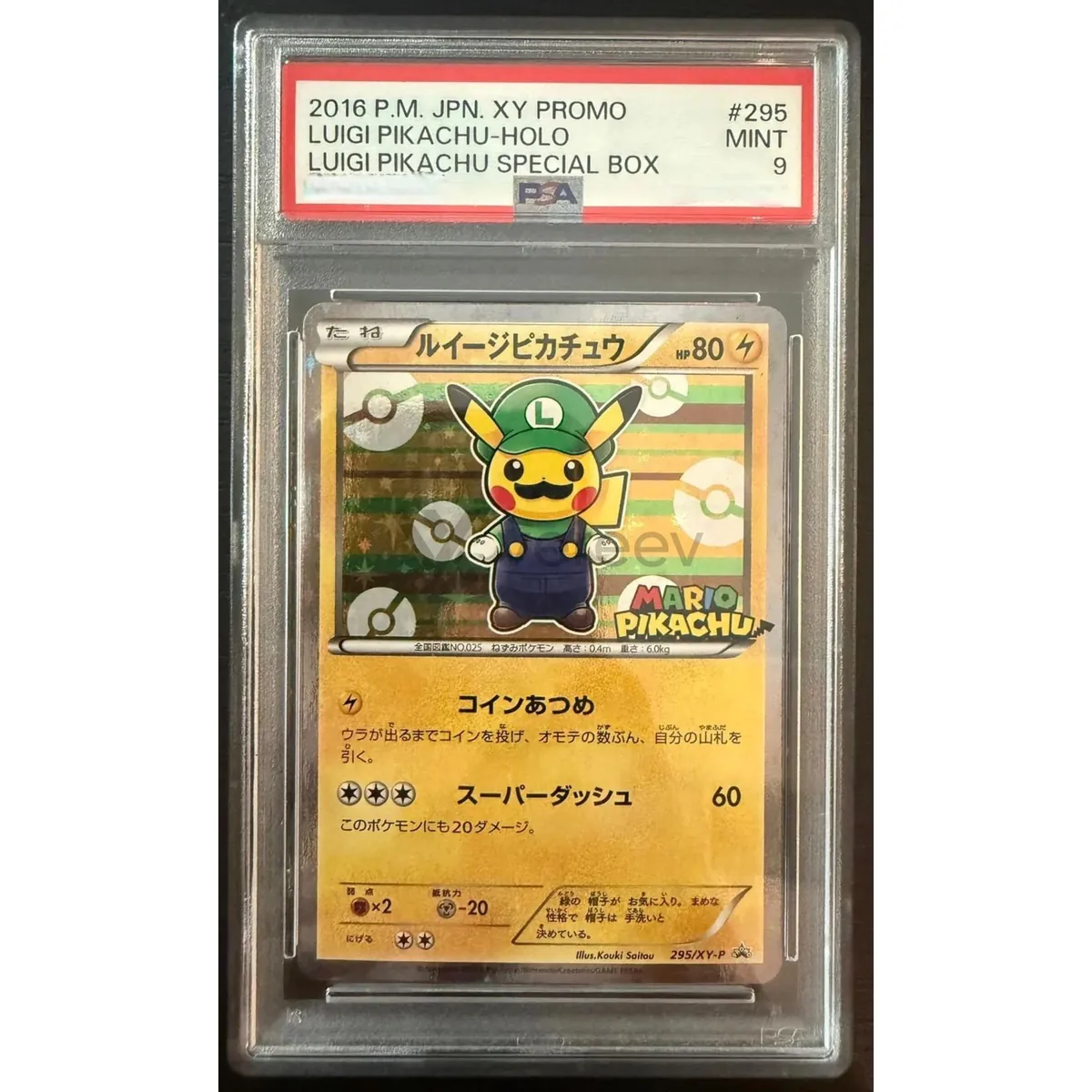
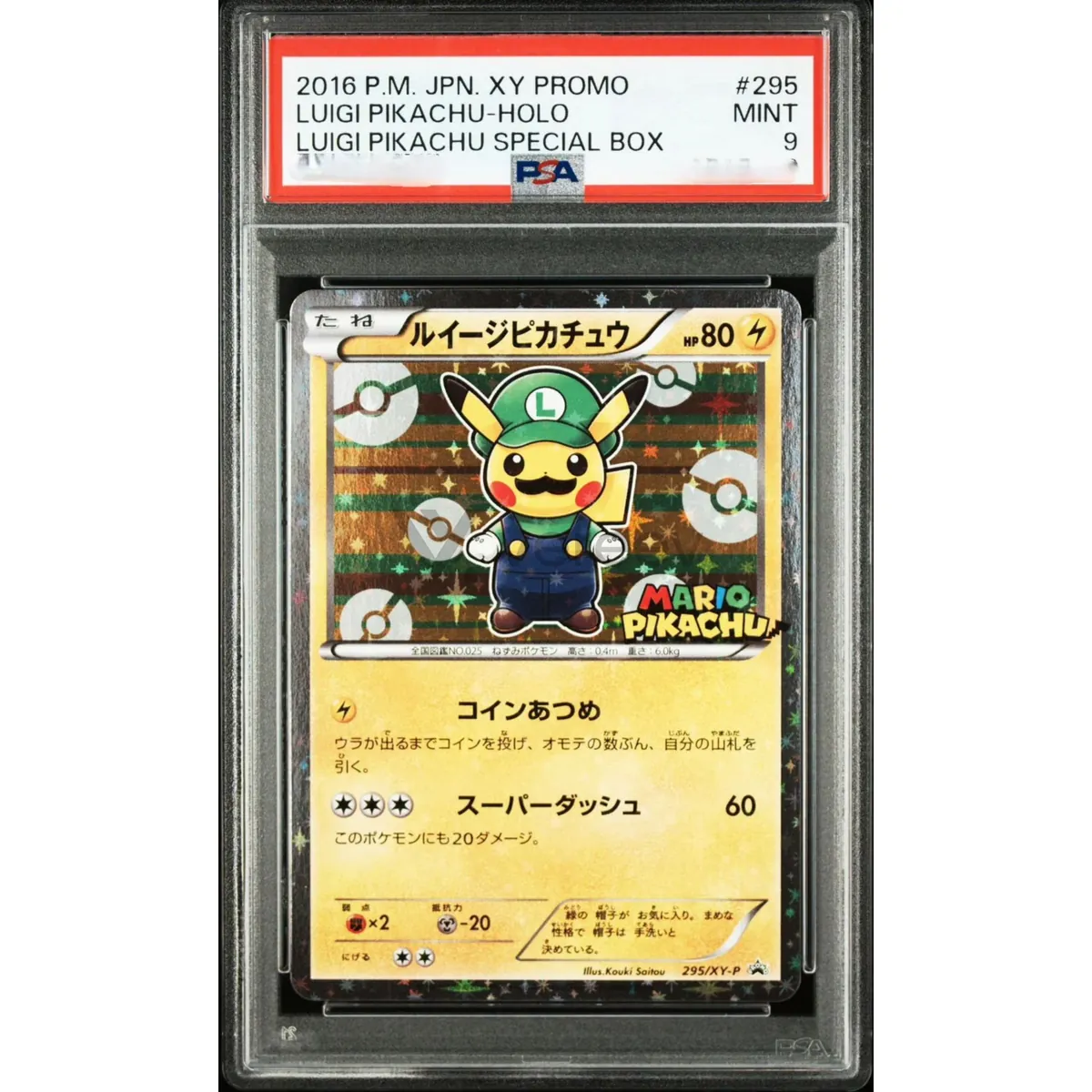
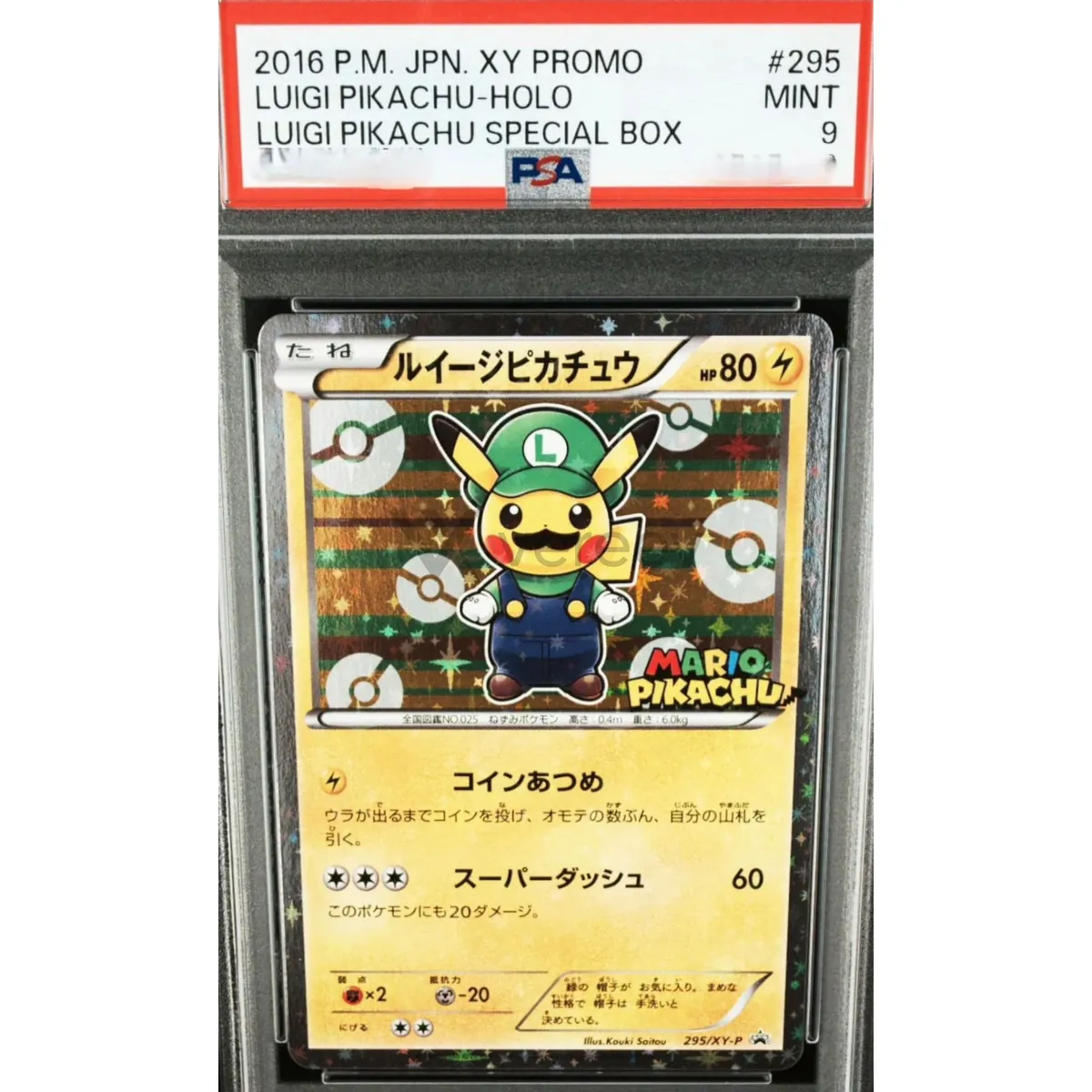
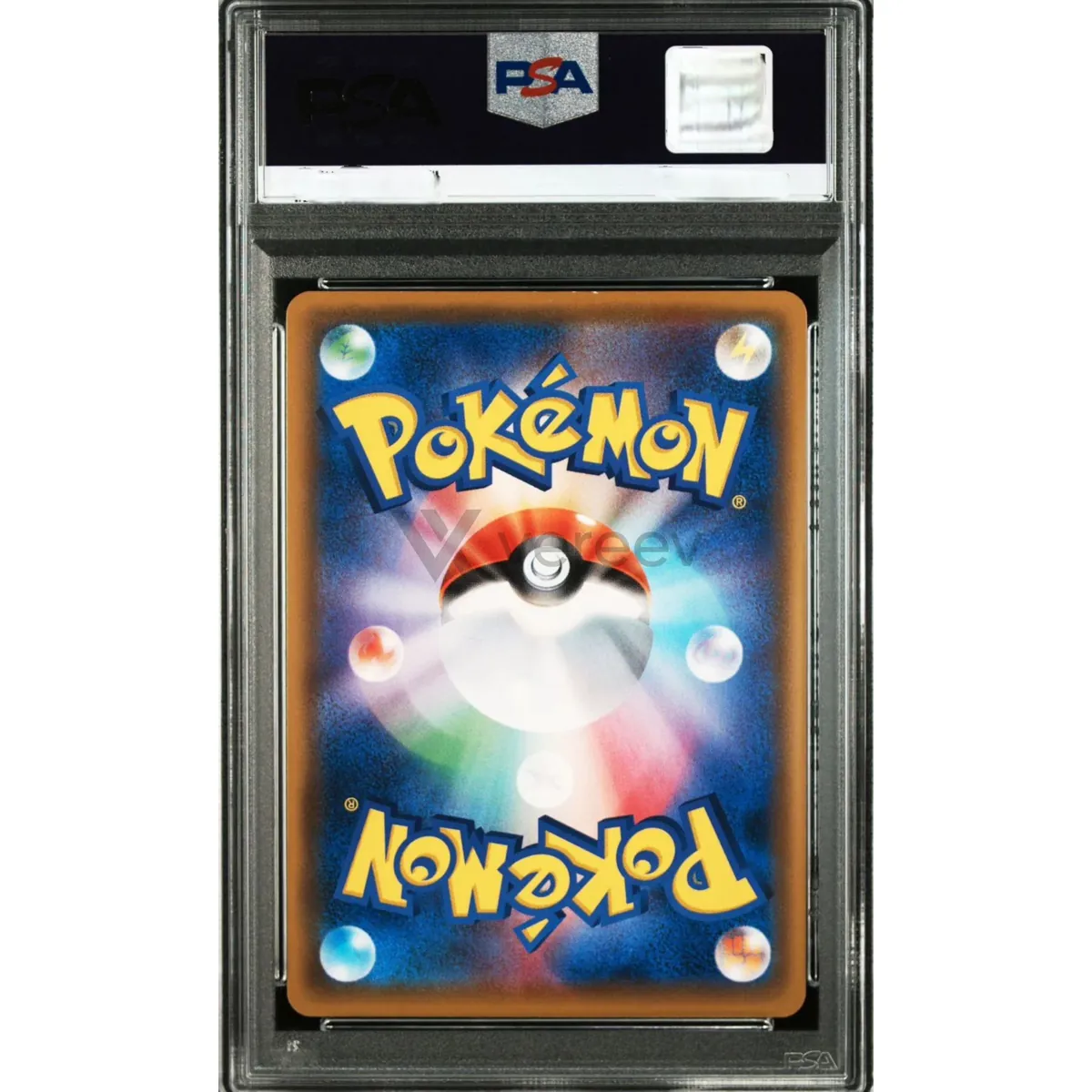
Front View
Capture the card front straight on so centering, print quality, corners, edges, and surface condition are visible.
Front Under Light
Use controlled light to show foil, gloss, texture, scratches, whitening, print dots, and surface defects clearly.
Angled Front
Tilt the card slightly so reflections reveal holo patterns, coating, surface waves, bends, or hidden damage.
Back View
Show the full back of the card, including borders, copyright text, logos, card number, corners, and edge condition.
Follow the same angles in the app
The Vereev app shows a sample photo for each angle when you submit Pokémon cards. Sharp, same-item photos give the reviewer the evidence this page describes; packaging and documents help when you have them.
Open the full photo guide for trading cardsBrand evidence guide
What to review on Pokémon items
Which Pokémon card, set and version are you checking?
Start by naming the exact card: the card name, the set it comes from and its rarity. The Pokémon Company says its Pokémon Trading Card Game Card Database can be searched by card name or keyword and filtered by expansion set, rarity, card type, energy type, HP, attack costs, weakness, resistance, retreat cost and illustrator.
Pokémon notes that text on a card that is not essential to gameplay is not searchable in the database. Use the database to confirm the card's name, set and gameplay details, and compare the rest with a known genuine card from the same set.
- Card name, set and rarity, matched to the official database where it lists the card
- Language of the card
- Condition of the edges, corners and surface, and any creases
- For sealed product, the product name, set and packaging, matched to Pokémon's product images
- For graded cards, the grading company, certification number and label details
- Where and when it was bought, and the price paid
What The Pokémon Company says about spotting counterfeit cards
The Pokémon Company's support article on counterfeits says counterfeit cards are often easy to see through if you hold them up to a bright light. It says genuine Pokémon TCG cards are produced from high-quality materials, and it points to local shops that specialize in trading cards as another option for checking cards.
For sealed products, the article notes that images of Pokémon's products are available on its website, which makes those images the reference for packaging. It warns that if the price of a pack seems too good to be true it probably is, and says Pokémon receives its highest reported instances of counterfeit sales from flea markets.
The article does not describe a Pokémon authentication service. Treat the light test as one screen, compare the card side by side with a genuine common card from the same set under the same light, and allow for wear and differences in lighting.
How to check booster packs and sealed products
Pokémon says each booster pack contains 10 game cards, made up of 4 commons, 3 uncommons and 3 foils with at least one rare or higher, plus 1 Energy card and 1 code card for Pokémon TCG Live. It also says sets before Scarlet & Violet only guarantee at least one reverse foil card per pack, so older packs differ.
Pokémon says it cannot guarantee a specific Pokémon or type of card in any booster pack, so a listing that promises particular pulls from sealed packs needs an explanation. Compare the packaging with Pokémon's product images, and be wary of packs priced well below comparable listings.
- Photograph every side of the pack or box before opening, including seams and any wrap.
- Compare artwork, logos and text with Pokémon's product images.
- Keep the listing, the seller's details and the price paid.
- After opening, compare the contents with what Pokémon says a pack from that era contains.
What a PSA or CGC slab does and does not tell you
Graded slabs are made by third-party grading companies, not by The Pokémon Company, and a grade is the grader's opinion rather than a Pokémon statement. PSA offers an online certification verification page, and CGC says its labels carry microprinting, UV ink, holographic foil, a unique certification number and a barcode, plus a QR code on the back that looks up the card and its images on CGC's website.
PSA warns that, though uncommon, criminals attempt to counterfeit PSA grading inserts using real certification numbers taken from public sources, and it says verifying a number in its database does not eliminate risk. Its buyer's guide describes checking the holder for frosting along the edges or small cracks that can indicate tampering, and says buyers are welcome to contact PSA about an item before purchase.
A certification number is useful only when the card, label and holder in hand match the grader's record, including its images where the grader provides them. PSA also encourages buying from trustworthy sources and says marketplaces such as Craigslist, Mercari and OfferUp are not recommended.
Why Charizard, Pikachu and other high-value cards draw fakes
PSA's 2025 fraud report, as covered by USA TODAY and ICv2, identified more than $200 million in counterfeit and altered collectibles in 2025 and placed Charizard and Pikachu cards among the most counterfeited Pokémon cards.
High prices raise the stakes, so the more valuable the card, the more the evidence should include the card itself in clear photos, not just a slab, certificate or screenshot. Buy high-value cards only when the seller can show the actual card front and back, and when any grading details match the grader's record.
Where to buy Pokémon cards and what Pokémon will and will not do
Pokémon's support site describes new and reprinted products reaching Pokémon Center and participating retailers, and it says flea markets account for its highest reported instances of counterfeit sales. For singles and older cards bought secondhand, the card has to carry the evidence.
Pokémon says it does not track secondary market values and cannot give guidance on resale value, and its counterfeit article points to local shops that specialize in trading cards rather than to a Pokémon authentication service. Use protected payment, ask for current photos of the actual card, and confirm that what arrives matches what was reviewed.
When should you get an item-level Pokémon card review?
Get a review when the price, seller history or photos leave doubt, when a card lets through more light than a genuine card from the same set, or when a listing leans on a slab, certification number or screenshot instead of the card itself.
Submit sharp photos of the front and back in even light, angled shots of the surface and foil, a backlit photo, the edges and corners, and any slab label and holder. A Vereev reviewer compares them with the same card and set and notes what photos cannot show, such as how the card stock feels in hand.
Model-specific checks
Most-searched Pokémon models
Compare each piece with references for the same version, size, and period. These are the details a reviewer photographs and compares first.
Charizard cards
PSA's 2025 fraud report, as covered by USA TODAY and ICv2, placed Charizard among the most counterfeited Pokémon cards. Identify the exact card and set before comparing details, because the same Pokémon appears on many different cards.
Check and photograph
- Exact card name, set and rarity, matched to the official database where it lists the card
- A backlit check against a bright light, compared with a genuine card from the same era
- Front and back colors, printing and foil compared with a known genuine example of the same card
- For graded copies, the certification number, label and holder compared with the grader's record and images
- Seller history and price against comparable sales of the same card and condition
Pikachu cards
Pikachu cards also appear among the most counterfeited in PSA's 2025 findings as covered by USA TODAY and ICv2. As with Charizard, the exact card and set come first, because Pikachu appears on many different cards.
Check and photograph
- Exact card name, set and rarity, matched to the official database where it lists the card
- A backlit check against a bright light, compared with a genuine card from the same era
- Artwork, text and foil compared with a known genuine example of the same card
- For graded copies, the certification number, label and holder compared with the grader's record
Booster packs and sealed products
Pokémon's own counterfeit guidance covers booster packs, warning that a pack priced too good to be true probably is and pointing to its product images for comparison. Pokémon says current packs contain 10 game cards plus an Energy card and a code card for Pokémon TCG Live.
Check and photograph
- Packaging artwork, logos and text against Pokémon's product images
- Price against comparable sealed packs
- Seller and venue, since Pokémon reports its most counterfeit sales from flea markets
- Photos of every side, seams and any wrap before opening
- Contents after opening, against what Pokémon says a pack from that era contains
Graded slabs from PSA and CGC
Slabs are made by third-party grading companies, not The Pokémon Company, and PSA warns that counterfeit grading inserts sometimes reuse real certification numbers. A slab supports a review only when the card, label and holder match the grader's record.
Check and photograph
- Certification number looked up on the grader's own website
- Card, label and grade compared with the grader's record and any images
- Holder edges checked for frosting, cracks or other tampering signs that PSA describes
- Label security features that CGC describes, such as microprinting, holographic foil and a QR code
- Seller type, since PSA encourages buying from trustworthy sources
Warning signs
When Pokémon items need a closer look
Each sign is a reason to ask more questions or get an item-level review. None is a verdict on its own.
- Light shows through the card easily when it is held up to a bright light, which Pokémon says is common with counterfeit cards.
- The card's name, set, rarity or gameplay text does not match the official Pokémon TCG Card Database entry for that card.
- Sealed packaging does not match the product images Pokémon publishes on its website.
- A booster pack is priced far below comparable packs, and Pokémon says a pack price that seems too good to be true probably is.
- The item comes from a flea market, where Pokémon says it receives its highest reported instances of counterfeit sales.
- A graded card's certification number, label or grade does not match the grader's own record, or the holder shows frosting or cracks along the edges.
- A listing promises specific pulls from sealed packs, although Pokémon says it cannot guarantee a specific Pokémon or type of card in any pack.
- The seller shows stock images, a certification number or a screenshot instead of current photos of the actual card, front and back.
Research library
Pokémon tools and guides
Category guide
Collectible Authentication
See how item, grading, provenance and seller evidence work together for trading cards and collectibles.
Open resourceBuyer guide
Authenticate an Item Before Buying
Steps to take before paying for a card or sealed product from a marketplace or private seller.
Open resourcePhoto preparation
Authentication Image Guidelines
Prepare complete same-item views and sharp category-specific close-ups before submitting.
Open resourceEvidence standard
Vereev Authentication Methodology
See how Vereev weighs multiple signals, records limits, and avoids treating one code or logo as a verdict.
Open resourceCommon questions
Pokémon authentication FAQ
How can I tell if my Pokémon cards are fake?
The Pokémon Company says counterfeit cards are often easy to see through when held up to a bright light, and it suggests local shops that specialize in trading cards. Compare the card with the official card database and a known genuine card from the same set, since no single check settles it.
Does The Pokémon Company authenticate cards?
Its support article on counterfeits does not describe a Pokémon authentication service; it suggests shops in your area that specialize in trading cards. Pokémon also says it does not track secondary market values or give guidance on resale value.
How many cards are in a Pokémon booster pack?
Pokémon says each booster pack contains 10 game cards, 4 commons, 3 uncommons and 3 foils with at least one rare or higher, plus 1 Energy card and 1 code card for Pokémon TCG Live. It says sets before Scarlet & Violet only guarantee at least one reverse foil card per pack.
Does a PSA or CGC slab mean a Pokémon card is real?
A slab reflects the grading company's own review, not a Pokémon statement. PSA says criminals sometimes counterfeit grading inserts using real certification numbers and that verifying a number does not eliminate risk, so compare the card, label and holder with the grader's record.
Where is the safest place to buy Pokémon cards?
Pokémon's support site describes new and reprinted products reaching Pokémon Center and participating retailers, and it says its highest reported instances of counterfeit sales come from flea markets. For secondhand cards, buy where you can see the actual card and pay with protection.
What are my Pokémon cards worth?
Pokémon says it does not track secondary market values and cannot give guidance on resale value, because the value is set by the Pokémon community rather than by the company.
Sources and further reading
Evidence behind this guide
- Pokémon Support article: Did I purchase fake or counterfeit cards?Official brand source
- Pokémon Support article on booster pack contentsOfficial brand source
- Pokémon Support article on the Trading Card Game databaseOfficial brand source
- Pokémon Support article on secondary market valuesOfficial brand source
- PSA Certification Verification pageEstablished secondary source
- PSA security buyer's guideEstablished secondary source
- CGC card holder and label pageEstablished secondary source
- ICv2 report on PSA's 2025 fraud findingsEstablished secondary source
- USA TODAY on PSA's 2025 fraud findings (via Yahoo Finance)Established secondary source
Evidence standard
Codes and tags are context, not verdicts
Vereev is independent of The Pokémon Company and is not affiliated with or endorsed by it. Pokémon's support site explains how to spot counterfeit cards and packs and suggests local trading card shops, while grading companies such as PSA and CGC are separate third parties whose slabs are not Pokémon statements.
Vereev is an independent authentication service and is not affiliated with, endorsed by, or sponsored by Pokémon.
Read our research methodology