
Researched Jellycat guide
Jellycat Authentication
Jellycat says it cannot check a toy from photos or batch codes. See who can, which photos to take, what each result means and what photos cannot prove.
Send photos of your Jellycat for an independent expert opinion.
Direct answer
Jellycat says it cannot authenticate a toy from photos or batch codes, and it runs no batch-code check. It vouches only for toys bought from its official websites or authorized stockists. For an independent opinion, send guided photos to Vereev. AI assists, human experts decide, and your tokens are refunded if the photos cannot settle it. No photo review can show that a toy is safe.
Jellycat Real vs Fake: 10 Checks and What Each One Proves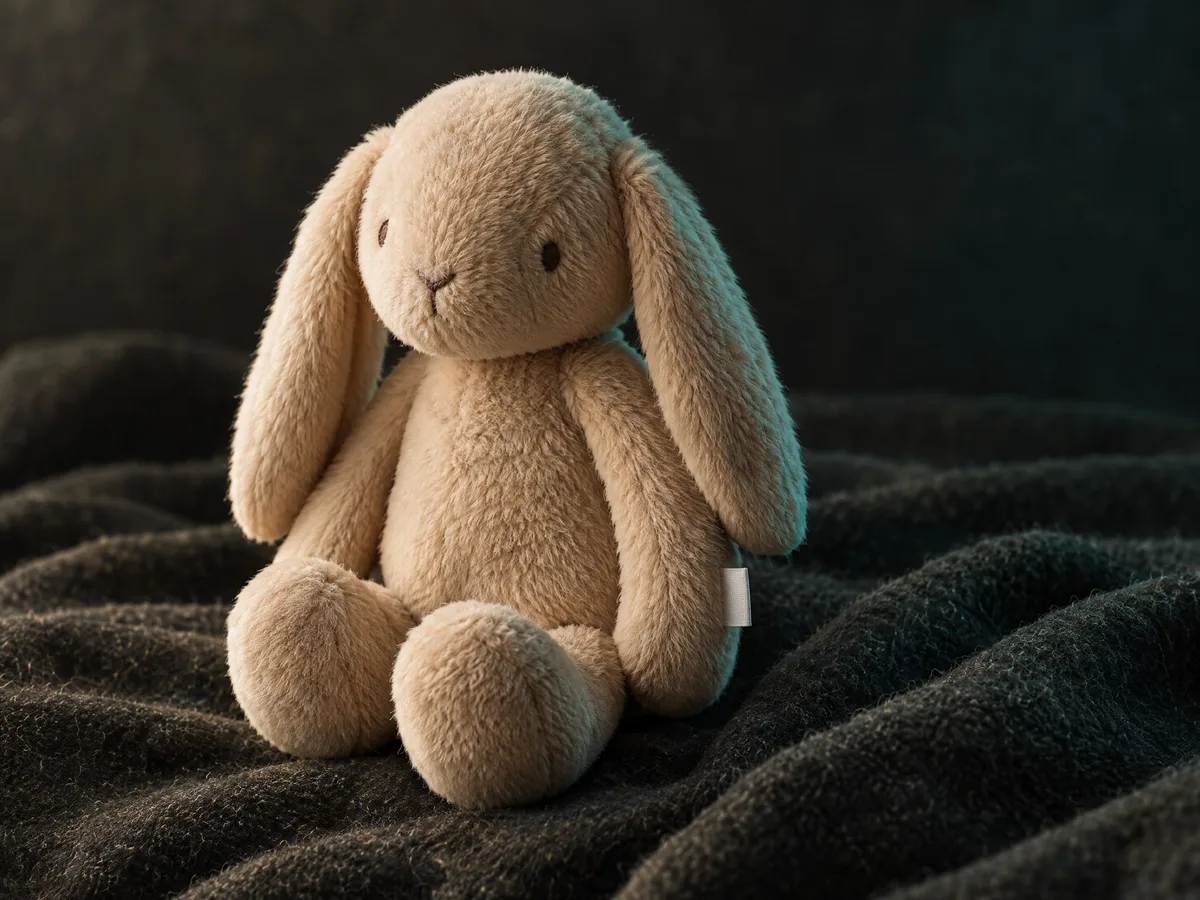
Complete review
How to approach Jellycat authentication
Name the design and the size
Note the design name and the size. Jellycat's Bashful Beige Bunny page offered seven sizes in September 2026, from Tiny to Giant, and Jellycat never counts ears or tails when it measures. Compare your toy only with the same design in the same size.
Check the shape, fur, seams and smell
Compare the shape, face and fur with the official product photos. The British Toy & Hobby Association lists a strong chemical smell, a flimsy feel, stuffing poking through and loose parts as red flags.
Read the sewn label and the swing tag
Jellycat says the sewn label shows care symbols and, on some designs, an age line. In Great Britain, toy safety rules require the maker's name and contact address on the toy itself in most cases. Jellycat's Safety & Care pages (July and October 2026) say its toys carry both the CE and UKCA marks. Great Britain accepts either mark, so a toy with only a CE mark is not automatically suspect. Copies can print the same marks, so a correct label proves little on its own.
Photograph both sides of each label
Take sharp, straight-on photos of the whole toy, the face and a seam. Photograph both sides of the sewn label and of the card swing tag. Add the dust bag and the receipt if you have them.
Photo guide
Photos to take of your Jellycat toy
The Vereev app's photo guide for collectibles lists these 3 angles, and the numbers on the drawing match the list.
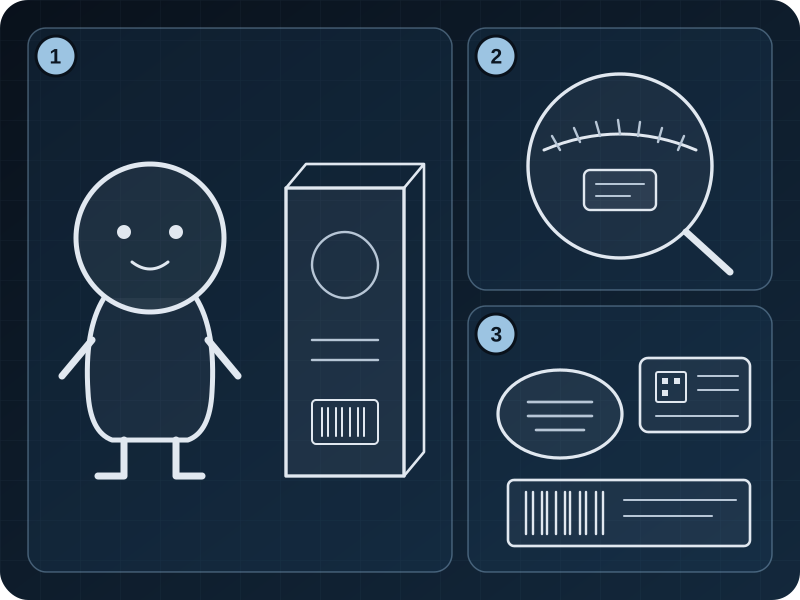
Full Appearance
Capture the full collectible and packaging so shape, color, and condition are visible.
Detail
Show logos, marks, print quality, seams, paint, mold details, or material texture.
Extra Details
Include serials, accessories, certificate cards, barcode labels, or edition details.
Follow the same angles in the app
The Vereev app shows a sample photo for each angle when you submit a Jellycat toy. Sharp, same-item photos give the reviewer the evidence this page describes; packaging and documents help when you have them.
See the app's 3 sample photos for collectiblesBrand evidence guide
What to review on Jellycat items
Can Jellycat tell you if your Jellycat is real?
No. Jellycat's help center says it is "unable to authenticate Jellycats based on images or batch codes" (archive copy of 15 October 2025). It says the best way to be 100% sure is to buy from an Official Jellycat Retailer or from the official website. It accepts that genuine Jellycats can be found from third-party sellers, but it says it cannot guarantee or verify them.
A second help-center answer covers batch codes. Jellycat confirms that its toys carry batch codes. It says the codes are for internal quality control and tracking, and it runs no batch-code verification service. Its advice is to check the list of official stockists, or to contact Jellycat, before you buy. A Korean help center that appears to be Jellycat Korea's says the same. It calls the Jellycat Korea official website an official seller of genuine products.
Jellycat's Brand Protection Statement adds more. It says Jellycat can only guarantee the safety, quality and ethical standards of a toy bought from an authorized Jellycat stockist. It also says Jellycat cannot authenticate counterfeit products that people have bought.
Two paid services, LegitApp and LegitGrails, list Jellycat checks. No source shows Jellycat endorsing any authenticator. So if you bought from a resale listing or a private seller, a second opinion has to come from an independent reviewer.
How Vereev checks a Jellycat from photos
You photograph the toy in the Vereev app, which guides you through a photo checklist. If you already have a Vereev account and tokens, you can also order on the website at www.vereev-ai.com/authenticate. AI assists, and human experts decide.
The result is Authentic, Replica, or a statement that the photos cannot settle it. A reviewer may ask you for more photos first. If the photos cannot support a conclusion, your tokens are refunded. Authentic and Replica results come with a digital E-Result, a certificate and a QR link that anyone can check at www.vereev-ai.com/verify.
To order, search for Jellycat in the app. If your version of the app does not list it yet, type the full name, Jellycat, and continue. Requests use tokens, and the app shows the cost before you confirm.
Vereev is independent. It is not Jellycat, and it does not issue Jellycat certificates. A Vereev result is an expert opinion on the toy in your photos. The details experts compare are explained in our Jellycat real vs fake guide.
Which photos to take of a Jellycat
The Vereev photo guide for collectibles asks for three kinds of photo. Full Appearance shows the whole item and its packaging. Detail shows marks, seams and the texture of the material. Extra Details shows items such as barcode labels and accessories. Follow the checklist the app shows you.
For a soft toy, the shots below help most. Most of them have a reason from a named source. Use daylight and a plain background. Jellycat does not say where the sewn label or the swing tag sits on a toy, so photograph them wherever yours are.
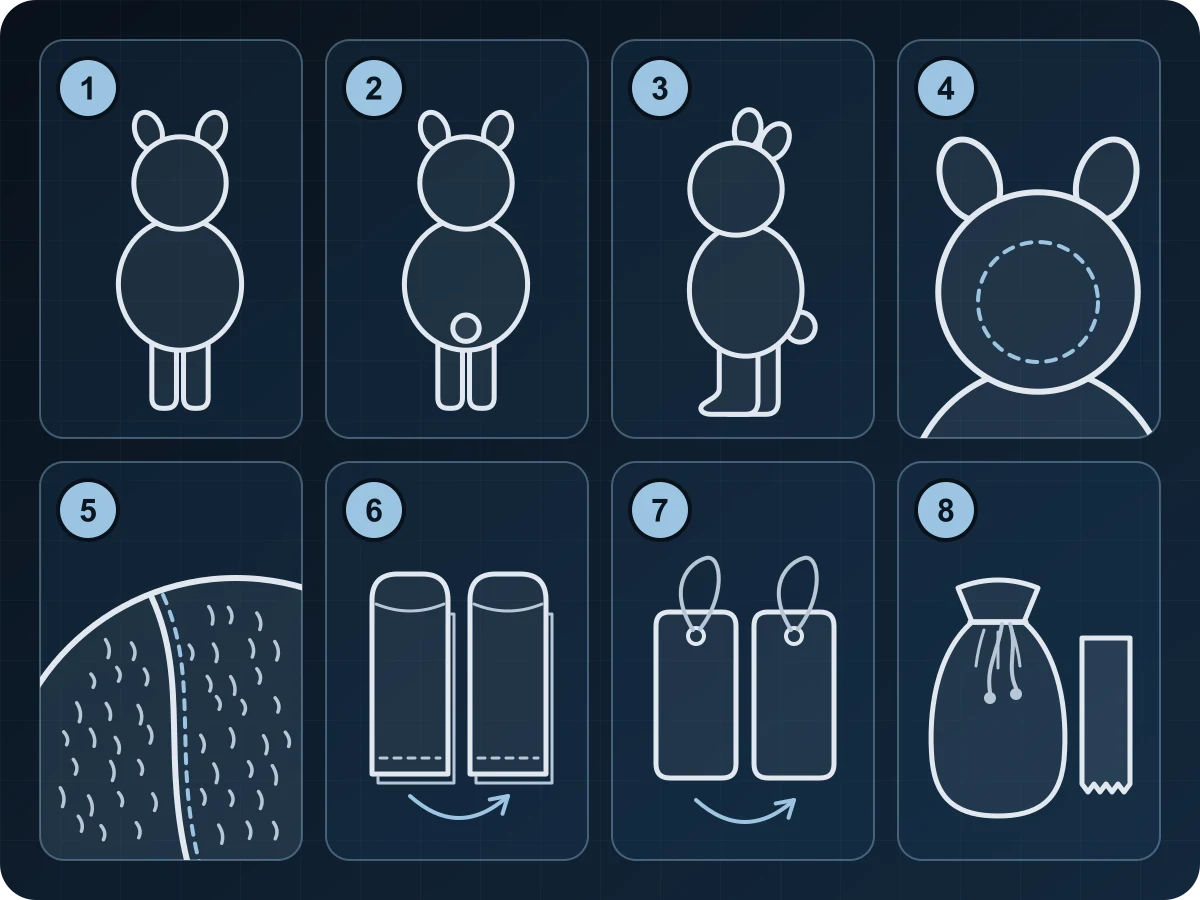
- The whole toy from the front, the back and the side. LegitApp, a paid authenticator, compares neck length, ear length and how full the back is on some designs.
- The face up close. LegitApp compares eye size on the Snow Dragon. Gloucestershire Trading Standards found seized fake toys with eyes that came off easily.
- A seam and the fur up close. The British Toy & Hobby Association lists stuffing poking through and a flimsy feel as red flags.
- The sewn-in label, each side, flat and sharp. Jellycat says it shows care symbols and, on some designs, an age line. In Great Britain, toy safety rules also require the maker's name and contact address on the toy itself in most cases.
- The card swing tag, each side, if it is still attached.
- Any name embroidery, up close.
- The dust bag, any other packaging and the receipt, if you have them.
Who Jellycat is, and how to contact it
Jellycat says it was established in London in 1999 and that it designs and produces soft toys for customers around the world. The UK company register, Companies House, lists JELLYCAT LIMITED, company number 03591414. It was incorporated on 2 July 1998, and its registered office is Westworks Building, 195 Wood Lane, London W12 7FQ. So Jellycat was founded in 1999, and the company was registered in 1998. Companies House does not check the accuracy of what companies file.
Jellycat's US contact page (archive copy of 6 October 2026) names its North American company as Jellycat, Inc., 800 Washington Avenue North, Suite 500, Minneapolis, MN 55401, phone 866-445-3559. Jellycat's UK Safety & Care page (archive copy of 21 October 2026) gave a UK customer line, +44 (0)3330 040900, open 9am to 5pm UK time, Monday to Friday. Jellycat says you can call it with any question about a Jellycat toy, whether you bought it on jellycat.com or from a stockist. This is customer care. It is not an authentication service.
A company name alone does not show a link to Jellycat. Companies House lists other companies with Jellycat in their names at the same Wood Lane registered office, such as Jellycat America Limited and Jellycat Europe Limited. It also lists companies with Jellycat in their names at other addresses, with no link to the brand shown. So compare any company name and address a web shop gives with the ones above, and be careful with a shop that gives none. To report a suspected fake, Jellycat asks you to contact its Brand Protection team through the Brand Protection Statement page on its websites.
Why Jellycat fakes are a concern
Jellycat's Brand Protection Statement says it has zero tolerance for counterfeits (US site, archive copy of 4 January 2026). It says a Global Brand Protection team at its headquarters watches for infringing activity online and offline. The team investigates every day across the supply chain, social media, websites and marketplaces. Jellycat says counterfeiters are becoming more innovative and brazen, and that they often infiltrate social media sites and fan groups. The same statement appears on Jellycat's UK, EU and Korean sites. It gives no figures.
Officials have named Jellycat fakes too. On 23 December 2025, the UK Home Office and Border Force named Jellycats among the counterfeit toys that Border Force seized in 2025. They gave no number. In New Zealand, RNZ reported on 18 October 2024 that the Commerce Commission had received five complaints in two weeks from people who said they had bought counterfeit Jellycat products. No outcome was reported.
How to judge a shop, a website or a listing before you pay is covered in our guide to where to buy genuine Jellycat.
What a photo review cannot tell you
A photo review compares what your photos show with what is documented about the design. It cannot test what a toy is made of, how easily it burns, how strong its seams are, or how firmly its eyes and other small parts are fixed. It cannot tell you whether a toy suits a baby. So an Authentic result is not a safety clearance.
Jellycat says it adds an age recommendation to the sewn label in some cases, for longer-pile fabrics or larger items. Follow that line where there is one.
On 3 November 2026, no Jellycat recall was found in the UK OPSS or US CPSC databases. Other countries' databases were not checked. Our guide to fake Jellycat safety and refunds gives the details and explains what regulators have found in fake toys.
If you think your Jellycat is fake
The UK Intellectual Property Office (IPO) says not to give a suspected fake toy to a child, to return it, and to report the seller to the platform (October 2025). Keep the listing, the messages, the receipt and your photos. Jellycat asks people with a suspected fake to contact its Brand Protection team, and our guide to fake Jellycat safety and refunds lists the steps for the UK and New Zealand. For a second opinion on the toy, send guided photos to Vereev.
Model-specific checks
Most-searched Jellycat models
Compare each piece with references for the same version, size, and period. These are the details a reviewer photographs and compares first.
Bashful Bunny
Jellycat's product page calls the Bashful Bunny the little bunny that started it all. In September 2026, the Bashful Beige Bunny page offered seven sizes, from Tiny to Giant, and said her ears can be personalized with a name. LegitApp reported fakes of the Birthday version in September 2025.
Check and photograph
- Measure the height from the top of the head to the back of the heel, without the ears, and compare it with the official page.
- Photograph the back and the ears from the side. For the Birthday version, LegitApp says a genuine bunny has a full back and balanced ear length.
- Photograph the sewn label on both sides, flat and sharp.
- If the ears carry a name, photograph the embroidery up close.
Amuseables
A Jellycat line that includes the Peanut and Coffee Bean designs and the food items sold at the Jellycat Diner. Jellycat measures Amuseables the same way as its bunnies. LegitApp, a paid authenticator, says fake Peanut Bag Charms are noticeably larger than genuine ones (19 November 2025).
Check and photograph
- Measure the height, width and length, in that order, and compare them with the official page.
- Photograph the hang tag and every label on both sides. LegitApp says fake Peanut Bag Charms differ in hang tag font and label printing.
- Photograph any embroidered logo up close.
Dragons
Jellycat measures Scrumptious Dragons lying flat, with the length running to where the tail starts to curl. LegitApp says a genuine Snow Dragon has firm, even wings and large round black eyes (22 October 2025). Some Dragons can carry Jellycat's official name embroidery.
Check and photograph
- Photograph the wings from above and from the side, so their shape shows.
- Photograph the face straight on, so the eye size is clear.
- Photograph the CE mark and the tag on both sides. LegitApp says some fake Snow Dragons have the CE mark upside down or close to the seam.
Bartholomew Bear
Its Alpine Outfit version was one of five designs Jellycat called world exclusive characters at its Ski Club at The Grove in Los Angeles, from 11 November to 31 December 2025. Ask any seller of that version where and when it was bought.
Check and photograph
- Compare the shape, face and fur with the official product photos of the same size.
- For the Alpine Outfit version, ask the seller where and when it was bought, and photograph any receipt.
- Photograph the sewn label and the card tag on both sides.
Diner and event designs
As of April 2026, Jellycat's page said the Jellycat Diner was run with FAO Schwarz on the first floor of its store at 30 Rockefeller Plaza, New York, by reservation. Each meal came as a set: the Amuseables plush, an enamel pin in its shape, a sticker sheet, gift packaging with the buyer's name, and a reusable take-out tote.
Check and photograph
- Photograph every part of the set you have, including the pin, the sticker sheet and the named packaging.
- Ask for the booking confirmation or the receipt. A lone Diner plush without the set is evidence neither way.
- Be careful with claims that an event design is sold nowhere else. Jellycat's own pages are not consistent on this.
Warning signs
When Jellycat items need a closer look
Each sign is a reason to ask more questions or get an item-level review. None is a verdict on its own.
- A shop, website, ad or social media account that calls itself a Jellycat outlet, or uses the words cheap or discount. Jellycat's UK trade terms (July 2025 copy) bar approved retailers from these words. A lower price alone is allowed.
- A price far below other listings. MalwareTips, a security blog, describes fake Jellycat clearance websites that claim up to 90% off, for example $60 cut to $5.
- A seller who takes orders over WhatsApp or Facebook Messenger. Jellycat's UK trade terms (July 2025 copy) bar approved retailers from selling through messaging apps.
- An offer to make a genuine Jellycat to order. Jellycat says neither it nor its authorized stockists offer this. Jellycat's official personalization is name embroidery on selected designs.
- Misspelled branding on a tag or label. An Auckland buyer showed RNZ a Lavender Dragon she bought from a store whose attached branding misspelled the word Dragon (October 2024).
- A strong chemical smell, a flimsy feel, stuffing poking through, or loose parts. The British Toy & Hobby Association lists all four as red flags.
- No maker name or address anywhere on the toy, its sewn label or its tag. In Great Britain the maker's name and contact address must normally be on the toy, and Gloucestershire Trading Standards found seized fake toys without them.
- A seller or website that offers to verify a Jellycat batch code. Jellycat says it runs no such service.
Research library
Jellycat tools and guides
Main guide
Jellycat Real vs Fake: 10 Checks and What Each One Proves
The seller, sewn label, CE mark, batch code, swing tag, size and seams, each rated by what it can prove.
Open resourceBuying guide
Where to Buy Genuine Jellycat, and How to Tell if a Shop Is Legit
Jellycat's official shops, how to find a current stockist, and what its trade terms say about marketplaces and outlet sites.
Open resourceSafety and refunds
Are Fake Jellycats Safe? Risks, Refunds and Where to Report
What regulators found in fake toys, what a toy label must show, and where to get a refund and report a seller.
Open resourcePhoto preparation
How to Photograph Collectibles for Authentication
The three kinds of photo the Vereev app asks for on a collectible, with sample photos.
Open resourceEvidence standard
Vereev Authentication Methodology
How Vereev weighs several signals and records limits, instead of trusting one label or code.
Open resourceSubmission workflow
How Vereev Authentication Works
From choosing the brand and taking guided photos to an E-Result anyone can check.
Open resourceCommon questions
Jellycat authentication FAQ
Can Jellycat tell me if my Jellycat is real?
No. Jellycat's help center says it cannot authenticate Jellycats from images or batch codes. It says the best way to be 100% sure is to buy from an Official Jellycat Retailer or from its official website.
Can I check a Jellycat batch code online?
No. Jellycat says its batch codes are for internal quality control and tracking, and it runs no batch-code verification service. A seller or website offering a Jellycat batch-code check is not Jellycat.
How does Vereev check if a Jellycat is real?
You photograph the toy in the Vereev app, which guides you through each photo. AI assists and human experts decide. The result is Authentic, Replica, or a statement that the photos cannot settle it.
Which photos do I need to authenticate a Jellycat?
Take the whole toy from the front, back and side, the face, a seam, both sides of the sewn label and of the swing tag, and any packaging and receipt. Follow the checklist the app shows you.
What happens if the photos cannot show whether it is real?
A reviewer may first ask you for more photos. If the photos still cannot support a conclusion, your tokens are refunded.
How much does a Jellycat check cost?
Requests use tokens, and the app shows the cost before you confirm. If the photos cannot settle it, your tokens are refunded.
My app does not list Jellycat. Can I still order a check?
Yes. Enter Jellycat by name in the brand search and continue. The app shows the cost before you confirm.
Is Vereev part of Jellycat or approved by it?
No. Vereev is independent and is not affiliated with or approved by Jellycat. It does not issue Jellycat certificates, and no source shows Jellycat endorsing any authenticator.
Can a photo check tell me if a Jellycat is safe for my baby?
No. A photo review cannot test chemicals, how easily a toy burns, seam strength or how firmly small parts are fixed. Follow the age line on the sewn label where there is one.
Where do I report a fake Jellycat?
Report the seller to the platform where you bought it. Jellycat asks people with a suspected fake to contact its Brand Protection team. In the UK, the IPO says to contact Trading Standards, and in New Zealand the Commerce Commission takes complaints.
Sources and further reading
Evidence behind this guide
- Jellycat Help Centre: Can you authenticate if a Jellycat is real or a fake? (archive copy, 15 Oct 2025)Official brand source
- Jellycat Help Centre: Can Jellycat check the authenticity of my item using the batch code? (archive copy, 15 Oct 2025)Official brand source
- Jellycat Korea help center: 정품 여부 (Korean, read 3 Nov 2026)Official brand source
- Jellycat US: Brand Protection Statement (archive copy, 4 Jan 2026)Official brand source
- Jellycat UK: Brand Protection Statement (archive copy, Mar 2026)Official brand source
- Jellycat EU: Brand Protection Statement (archive copy, Aug 2025)Official brand source
- Jellycat Korea: Brand Protection Statement (archive copy, Jan 2026)Official brand source
- Jellycat US: Safety & Care (archive copy, 20 Jul 2026)Official brand source
- Jellycat UK: Safety & Care, with the UK customer line (archive copy, 21 Oct 2026)Official brand source
- Jellycat US: Corporate Responsibility (archive copy, 16 Oct 2026)Official brand source
- Jellycat US: How We Measure (archive copy, 1 Aug 2026)Official brand source
- Jellycat UK: Bashful Beige Bunny product page (archive copy, 24 Sep 2026)Official brand source
- Jellycat Help Centre: Can a Jellycat be personalised? (archive copy, 15 Oct 2025)Official brand source
- Jellycat US: Jellycat Diner Experience, New York (archive copy, 26 Apr 2026)Official brand source
- Jellycat US: Ski Club at The Grove, Los Angeles (archive copy, 5 Dec 2025)Official brand source
- Jellycat: Modern Slavery Statement 2024/25 (archive copy, 18 Oct 2026)Official brand source
- Jellycat US: Contact Us (archive copy, 6 Oct 2026)Official brand source
- Jellycat: Standard Terms & Conditions for retailers (archive copy, 29 Jul 2025)Official brand source
- Companies House: Jellycat Limited, 03591414 (read 3 Nov 2026)Government source
- Companies House: company search for Jellycat (read 3 Nov 2026)Government source
- GOV.UK, Home Office and Border Force: counterfeit toys seized in 2025 (23 Dec 2025)Government source
- GOV.UK, Intellectual Property Office: Fake toys, real harms (3 Oct 2025)Government source
- GOV.UK, OPSS: Toys (Safety) Regulations 2011 guidance for Great BritainGovernment source
- GOV.UK, OPSS: product safety alerts and recalls, search for Jellycat (3 Nov 2026)Government source
- US CPSC: recall database search for Jellycat (3 Nov 2026)Government source
- Gloucestershire Trading Standards: more than 200 counterfeit toys seized (10 Oct 2025)Government source
- British Toy & Hobby Association: Fake Toys, Real Harms (25 Sep 2025)Industry association source
- RNZ: Consternation grows over alleged counterfeit Jellycat sales (18 Oct 2024)Established secondary source
- MalwareTips (security blog): Jellycat clearance sale scam (25 Dec 2023)Established secondary source
- LegitApp (paid authenticator): Jellycat service pageAuthentication service
- LegitGrails (paid authenticator): Jellycat legit checkAuthentication service
- LegitApp: Bashful Beige Bunny Birthday real vs fake (23 Sep 2025)Authentication service
- LegitApp: How to legit check the Jellycat Snow Dragon (22 Oct 2025)Authentication service
- LegitApp: How to legit check the Jellycat Yummy Bunny (8 Dec 2025)Authentication service
- LegitApp: How to authenticate the Jellycat Amuseable Peanut Bag Charm (19 Nov 2025)Authentication service
- Vereev: How to photograph collectibles for authenticationVereev original guidance
- Vereev: How authentication worksVereev original guidance
Related brand research
Authentication guides for related brands
Evidence standard
Codes and tags are context, not verdicts
Jellycat says it cannot authenticate toys from images or batch codes. It vouches for toys bought from its official websites or its authorized stockists, and it asks people to report suspected fakes to its Brand Protection team. Vereev is independent. It is not affiliated with or approved by Jellycat, and it does not issue Jellycat certificates.
Vereev is an independent authentication service and is not affiliated with, endorsed by, or sponsored by Jellycat.
Read our research methodology